53° and Sunny
Dozens of Cats Roaming Dix Hills After Eviction Spark Urgent Rescue Effort



By Samantha Vogel | Long Island Daily News
August 22, 2026
DIX HILLS, N.Y. — A quiet residential neighborhood in Dix Hills has become the center of an urgent animal-welfare effort after residents reported that dozens of cats began roaming the area following the eviction of a homeowner.
Residents of Cascade Court estimate that approximately 20 to 30 cats are now roaming the neighborhood. According to a News 12 report published Saturday, the cats began appearing around the block roughly three weeks ago, and several households have been taking turns feeding them while trying to find organizations capable of helping.
For neighbors, what began with sightings of a few cats has developed into a much larger problem — one that could quickly become even more difficult without coordinated intervention.
Many of the animals reportedly appear friendly, raising concerns that at least some may have previously lived indoors and are now attempting to survive outside.
The circumstances surrounding exactly how each cat came to be in the neighborhood remain unclear. Residents told News 12 that the animals appeared following the homeowner’s eviction. What is clear is that suddenly having dozens of cats outdoors creates risks for both the animals and the surrounding community.
A Community Trying to Help
Rather than ignoring the animals, neighbors have stepped forward.
Residents have been providing food and attempting to locate organizations capable of taking the cats or helping manage the situation. But caring for potentially 20 to 30 animals is beyond what a handful of concerned neighbors can reasonably handle alone.
This is where Long Island’s rescue community could make the difference.
A situation of this size may require several organizations working together — cat rescues, foster homes, veterinarians, experienced trappers and volunteers.
The first priority should be determining exactly how many cats are present and assessing each individually.
Friendly cats that previously lived indoors may be candidates for foster care and eventual adoption. Cats that are unsocialized may require a different approach, including evaluation for a properly managed trap-neuter-return program when appropriate.
The animals may also need to be scanned for microchips and evaluated for injuries, illness, pregnancy and whether they have already been spayed or neutered.
One Rescue Cannot Do It Alone
Long Island has an extraordinary network of animal advocates, but rescues routinely operate at or near capacity.
Twenty or 30 cats arriving simultaneously could overwhelm almost any individual organization.
That is why this situation should not become the responsibility of one rescue.
If several organizations each take a few animals, fosters open their homes, volunteers assist with trapping and transportation, and the community helps with veterinary expenses, an overwhelming situation becomes far more manageable.
Recent large-scale cat cases elsewhere in New York illustrate the resources these situations can require. Earlier this month, the ASPCA reported removing more than 100 cats from overcrowded and unsanitary conditions across three New York City homes, providing medical examinations and arranging continued care.
The Dix Hills situation is much smaller, but the lesson is similar: large groups of vulnerable animals require coordination.
These Cats Should Not Become Invisible
It is easy to look at a photograph containing dozens of cats and see a population problem.
Look closer.
There are individual animals in that group.
There may be someone’s future lap cat.
A frightened kitten who has never known stability.
An older cat accustomed to sleeping on a couch.
A mother who may soon produce another litter unless someone intervenes.
A friendly house cat who doesn’t understand why the door to home disappeared.
Whatever circumstances brought these cats to Cascade Court, they are here now — and they need help.
Long Islanders routinely demonstrate what can happen when animal lovers work together. Social media shares find fosters. Fosters allow rescues to say yes. Donations pay veterinary bills. Trappers get frightened animals to safety. Adopters create permanent homes.
Sometimes saving an animal begins with something as simple as refusing to look away.
How Long Island Can Help
Local cat rescues, no-kill shelters, experienced TNR volunteers, veterinary organizations and potential foster families are being urged to become involved.
Members of the public can help by sharing verified information about the cats, offering to foster through legitimate rescue organizations, donating directly to established organizations that become involved, and helping connect experienced trappers and rescue groups.
People should not independently chase or attempt to capture frightened cats without appropriate equipment or experience, particularly when organized trapping efforts may be underway.
Most importantly, the community should work together rather than assuming someone else has already handled the situation.
Twenty to 30 cats can sound overwhelming.
But if 20 people each help one animal, the picture changes dramatically.
These cats did not choose to find themselves outside. What happens to them next will depend largely on the people who decide they are worth helping.
For the cats roaming Cascade Court, that help cannot come soon enough.
Long Island Daily News will continue following the situation and welcomes verified updates from residents, rescue organizations and volunteers involved in the effort.
Samantha Vogel is editor of Long Island Daily News.
For updates, subscribe to our free newsletter!
Support your local news!
More News from Dix Hills
- Brentwood Man Arrested for Promoting Prostitution A 49-year-old Brentwood man was arrested earlier this week for promoting prostitution
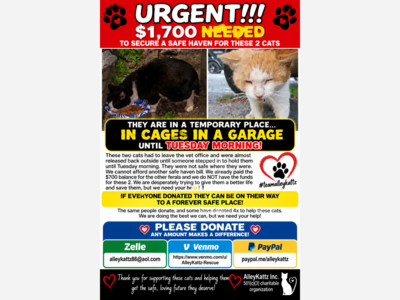
- URGENT: Two Rescued Cats Face Return to Unsafe Outdoor Conditions as AlleyKattz Inc. Appeals for $1,700 to Secure Safe Haven Rescue organization races against time to find funding for two vulnerable cats temporarily housed in garage cages.